The Metal Gear Timeline in Chronological Order
The complete Metal Gear story timeline, explained in chronological order — from The Boss in 1964 to Old Snake's final mission in 2014. See exactly where every Master Collection game fits.
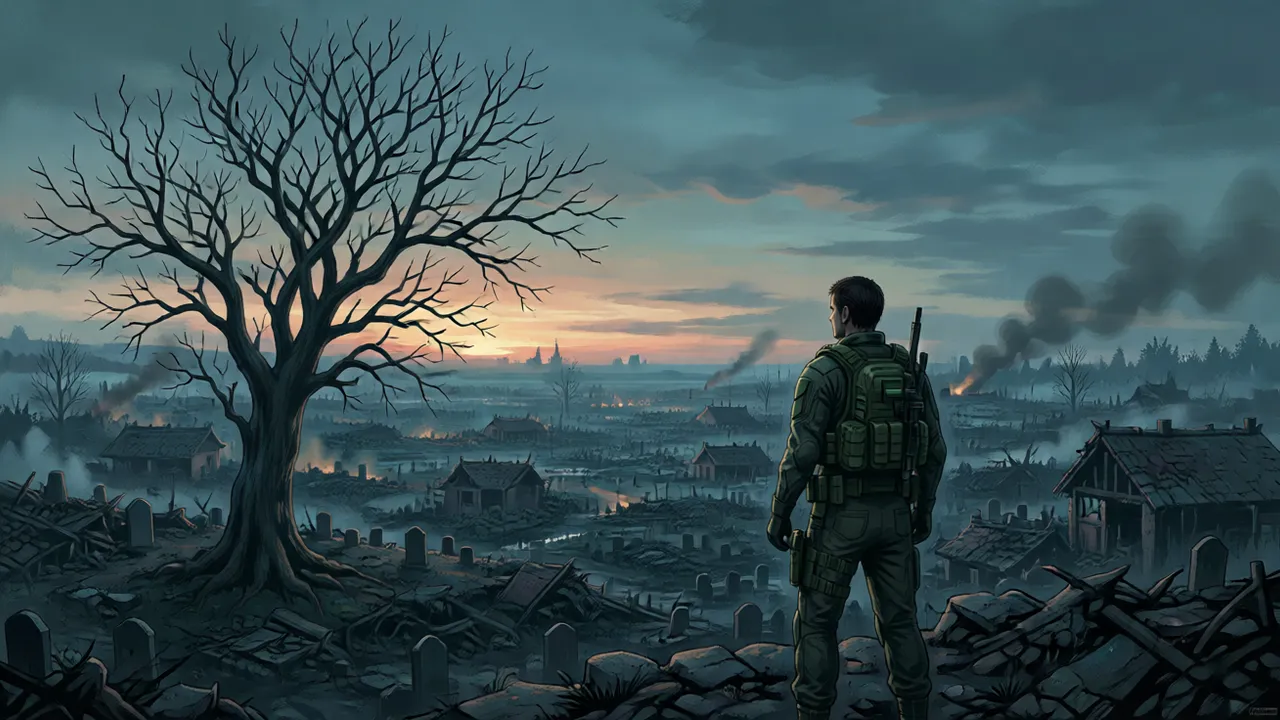
Metal Gear’s story spans fifty years of in-universe history, multiple generations of soldiers, and a tangle of clones, conspiracies and Cold War fallout. It’s dense — but it’s also one of the most rewarding narratives in gaming once it clicks. Here’s the whole mainline saga in chronological (in-universe) order, with the Master Collection games clearly flagged.
For an interactive version you can filter, try our Metal Gear timeline tool.
A note on spoilers: this is a high-level map of events, not a beat-by-beat plot dump, but it does name characters and connections. If you want to go in totally blind, play first and come back.
1964 — Operation Snake Eater (MGS3) · Vol.1
The beginning. A young operative codenamed Naked Snake is sent into the Soviet jungle and ends up forced to kill his own mentor, The Boss, in a mission that scars him forever. He emerges with the title Big Boss. This is the philosophical and emotional foundation of the entire series — everything that follows is, in some way, a reaction to The Boss’s death and ideals. Snake Eater lives in Vol.1, and it’s the recommended starting point for newcomers.
1970 — The San Hieronymo Incident (Portable Ops)
Set six years later, Portable Ops (a PSP game not included in either Master Collection volume) follows Big Boss as he rebuilds a unit and takes his first steps toward founding his own army. It’s a connective chapter — useful background, but you won’t miss the core throughline if you skip it.
1974 — The Peace Walker Incident (Peace Walker) · Vol.2
Big Boss and Kazuhira Miller found Militaires Sans Frontières and start building Mother Base in Costa Rica. This is where Big Boss’s vision of “soldiers without borders” takes physical shape — and where the series’ base-building systems were born. Peace Walker is in Vol.2, and it’s the chronological bridge between Snake Eater and the events of The Phantom Pain. Read our game breakdown.
1975 onward — Ground Zeroes & The Phantom Pain
Mother Base falls, Big Boss is gravely wounded, and his long, bitter descent toward becoming the series’ antagonist accelerates. These games (Ground Zeroes and The Phantom Pain) aren’t in the Master Collection, but they sit here in the timeline and complete Big Boss’s arc. Knowing they exist helps you understand where Peace Walker is heading.
1995 — The Outer Heaven Uprising (Metal Gear) · Vol.1
Decades later, a rookie Solid Snake is sent into the fortress nation of Outer Heaven, destroys the first Metal Gear, and confronts the legendary commander running it — a man he doesn’t yet fully understand. This is the original 1987 MSX game, included in Vol.1.
1999 — The Zanzibar Land Disturbance (Metal Gear 2) · Vol.1
Solid Snake comes out of retirement to stop another Metal Gear and face Big Boss directly. Metal Gear 2: Solid Snake is a remarkably sophisticated game for its era and a key piece of the Snake-vs-Big-Boss story. Also in Vol.1.
2000 — Ghost Babel (alternate continuity) · Vol.2 bonus
A quick but important detour: Metal Gear: Ghost Babel, the Game Boy Color game included as Vol.2’s bonus title, is not part of this canonical timeline. It’s a standalone “what if” in which Snake storms a resurrected Outer Heaven called Galuade. Because it’s separate continuity, you can enjoy it at any point without worrying about where it fits. We’ve slotted it here only because of its in-fiction framing.
2005 — The Shadow Moses Incident (MGS1) · Vol.1
The game that made Metal Gear a household name. Solid Snake infiltrates a nuclear facility on Shadow Moses Island, battles the rogue FOXHOUND unit, and faces his “brother” Liquid Snake. This is also where Snake meets Otacon and Meryl, both of whom return in MGS4. In Vol.1.
2007 & 2009 — The Tanker and Big Shell Incidents (MGS2) · Vol.1
Sons of Liberty introduces Raiden and pushes the series into bold territory about information control and manipulation. Its plot is famously ahead of its time. The events here directly set up the world MGS4 inherits. In Vol.1.
2014 — Guns of the Patriots (MGS4) · Vol.2
The end. Old Snake undertakes his final mission against Liquid Ocelot and the war economy, and the saga’s biggest threads — the Patriots, the clones, the legacy of Big Boss and The Boss — all converge. MGS4 is the headline game of Vol.2, and it’s the chronological finish line. Don’t play it first. Read our full breakdown.
How the Master Collection splits the timeline
Notice the pattern: Vol.1 covers the early-to-middle saga (1964–2009, mostly) while Vol.2 covers the bookends of the modern era — Peace Walker’s prequel-era base-building and MGS4’s finale. Together they give you almost the entire mainline story.
If you’re deciding how to play it all, pair this timeline with our where to start guide, which covers both the chronological and release-order approaches and explains which suits you. And remember: Metal Gear’s plot is famously knotty, but you don’t need to understand every nanomachine to be moved by it. Play it in a sensible order, talk to people on the Codec, and let the saga unfold.
Frequently asked questions
What is the chronological order of the Metal Gear games?
Roughly: MGS3 (1964), Portable Ops (1970), Peace Walker (1974), Ground Zeroes/The Phantom Pain (1975+), Metal Gear (1995), Metal Gear 2 (1999), MGS1 (2005), MGS2 (2007/2009), MGS4 (2014). Ghost Babel is a standalone side story.
Where does MGS4 fall in the timeline?
At the very end of the mainline saga, in 2014. It's the chronological and thematic conclusion to the whole story.
Is Ghost Babel part of the main timeline?
No. Metal Gear: Ghost Babel is an alternate-continuity 'what if' story and isn't part of the canonical timeline, so you can play it whenever you like.