Where to Start With Metal Gear (Newcomer's Guide)
Never played a Metal Gear game? Here's how to jump in with the Master Collection — which game to play first, what to skip, and how to enjoy the saga without getting lost or spoiled.
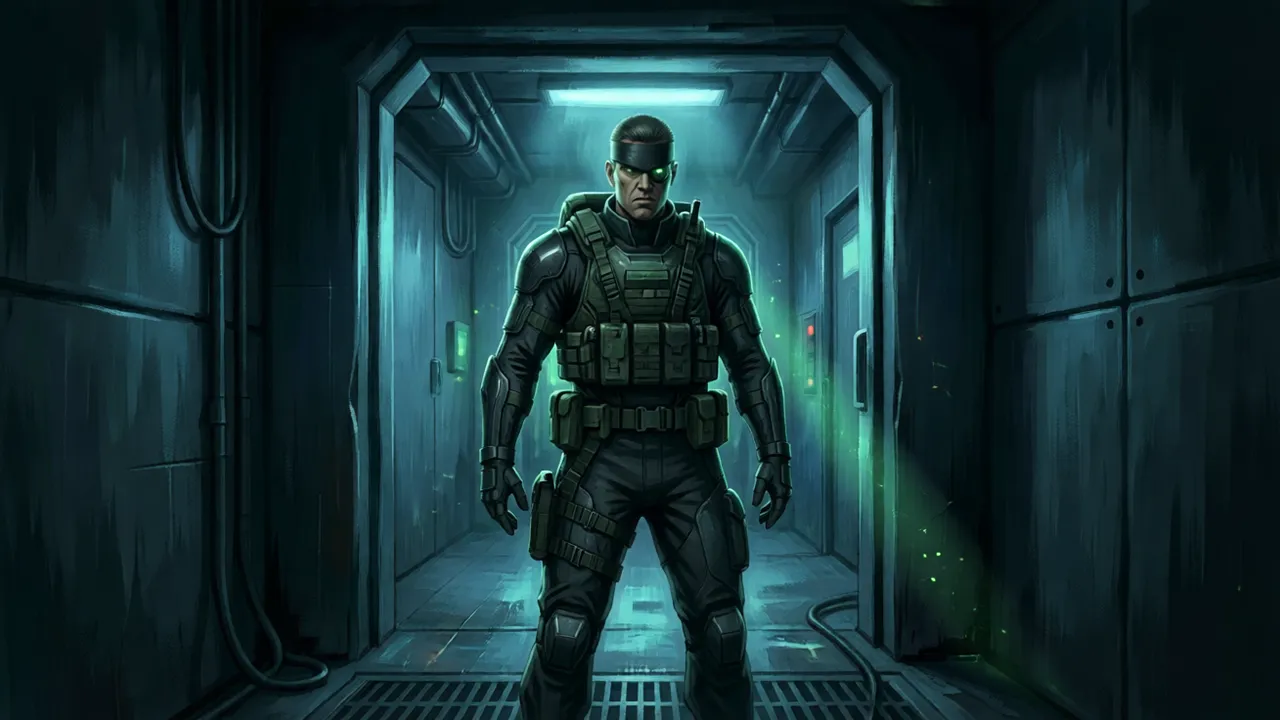
So you’ve heard Metal Gear is one of the all-time greats, the Master Collection is making it easy to jump in, and you want to know: where do I actually start? Good question — and an important one, because Metal Gear is a saga where order genuinely matters. Here’s how to do it right.
First, understand what you’re buying
The Master Collection comes in two separate volumes:
- Vol.1 (2023) — the earlier games: Metal Gear, Metal Gear 2, MGS1, MGS2 and MGS3.
- Vol.2 (2026) — the later games: MGS4 and Peace Walker, plus the bonus Ghost Babel.
They’re sold separately. If you’re brand new and want the whole story, owning both is ideal. If budget or curiosity means you’re starting with just one, this guide will help you make the most of it. Our Vol.1 vs Vol.2 comparison goes deeper on that decision.
The ideal newcomer path
If you want the “proper” experience and have access to both volumes, here’s the path we’d recommend. Note that this is roughly chronological by story, which is the most rewarding way to experience Metal Gear’s plot — though not everyone agrees, more on that below.
- Metal Gear Solid 3: Snake Eater (Vol.1) — Set in 1964, this is the chronological beginning of the saga and, for many fans, the single best game in the series. It introduces Big Boss, The Boss, and the themes everything else builds on. It’s also a fantastic standalone story. This is the best place to start.
- Metal Gear Solid: Peace Walker (Vol.2) — 1974. Big Boss builds Mother Base. Continues his arc directly.
- Metal Gear Solid (Vol.1) — The 1998 classic, the Shadow Moses Incident, where Solid Snake takes over as hero.
- Metal Gear Solid 2: Sons of Liberty (Vol.1) — Raiden’s debut and a wild, ahead-of-its-time story.
- Metal Gear Solid 4: Guns of the Patriots (Vol.2) — The grand finale that ties it all together.
The two MSX originals (Metal Gear and Metal Gear 2, in Vol.1) sit between MGS3/PW and the modern games chronologically, but they’re old and tough; most newcomers happily skip them or save them for later. Ghost Babel is a standalone side story you can play anytime.
The “release order” alternative
Some longtime fans swear by release order instead — playing MGS1, then MGS2, then MGS3, then MGS4 (with Peace Walker after MGS4). The argument: you experience the series’ twists and revelations the way they were originally designed, including some clever reveals that hit differently if you’ve played the earlier games first.
Both approaches are valid. Our take for total newcomers:
- Want the cleanest story flow? Go chronological (start with MGS3).
- Want the “authentic,” reveal-preserving experience? Go release order (start with MGS1).
Either way, MGS4 should be near the end. It’s explicitly built as a send-off.
If you only have Vol.2
Maybe MGS4 is the one you’ve heard about and Vol.2 is what you grabbed. That’s fine — here’s how to make it work:
- Play Peace Walker first. It’s the gentler on-ramp: mission-based, with a more contained story and a great gameplay loop. Our Peace Walker beginner guide gets you going.
- Then play MGS4 — but prepare yourself. Read our character database and Metal Gear timeline first so the dozens of returning faces and callbacks make sense. You’ll still miss some emotional weight (no way around that — it’s a finale), but you’ll follow the plot and enjoy the spectacular gameplay.
- Use the MGS4 Database. The collection includes the restored in-game encyclopaedia, which is genuinely helpful for catching up on who’s who.
What makes Metal Gear special (and a little weird)
A heads-up so you know what you’re in for. Metal Gear is:
- Heavy on cutscenes and Codec calls. The story is the point, and it’s told at length. If you love narrative, you’ll be delighted; if you only want gameplay, know that you’ll be watching and listening a lot.
- Tonally all over the place — on purpose. It swings from genuine emotional devastation to slapstick comedy and fourth-wall-breaking jokes within the same hour. Roll with it.
- Deeply rewarding to engage with. The systems — stealth, CQC, Mother Base — reward patience and experimentation. Don’t rush.
A few beginner tips
- Play on Normal. These games are fair but punishing on harder modes. Save the higher difficulties for replays.
- Embrace stealth. Going loud is possible but usually the harder path. Sneaking is where the games sing.
- Call people on the Codec. Optional Codec conversations are full of hints, lore and personality. Newcomers skip them and miss half the charm.
- Don’t look up the twists. Metal Gear’s surprises are legendary. Avoid spoilers and let the games cook.
The Master Collection is the most accessible Metal Gear has ever been. Pick your starting point, take your time, and enjoy one of the medium’s true landmarks. When you’re ready, the timeline guide will keep everything straight.
Frequently asked questions
Can I start with Vol.2 if I've never played Metal Gear?
You can, but for the best experience we recommend starting with Vol.1 (especially MGS1 and MGS3) or at least Peace Walker within Vol.2. MGS4 is the saga's finale and assumes a lot of prior knowledge.
Which game in Vol.2 is most newcomer-friendly?
Peace Walker. It's mission-based, eases you in gently, and its story is more self-contained than MGS4's, which is built as a grand send-off for the whole series.
Will I be lost if I start with MGS4?
Probably, in places. MGS4 deliberately pays off two decades of story. You can still enjoy the action and spectacle, but the emotional and plot beats land far harder if you know the earlier games.