Preserving the Legacy: MGS4, Ghost Babel, and Switch 2 Upgrades in Master Collection Vol. 2
Early reviews and community reports highlight Master Collection Vol. 2 as a massive win for game preservation, bringing MGS4 and Ghost Babel to modern hardware.
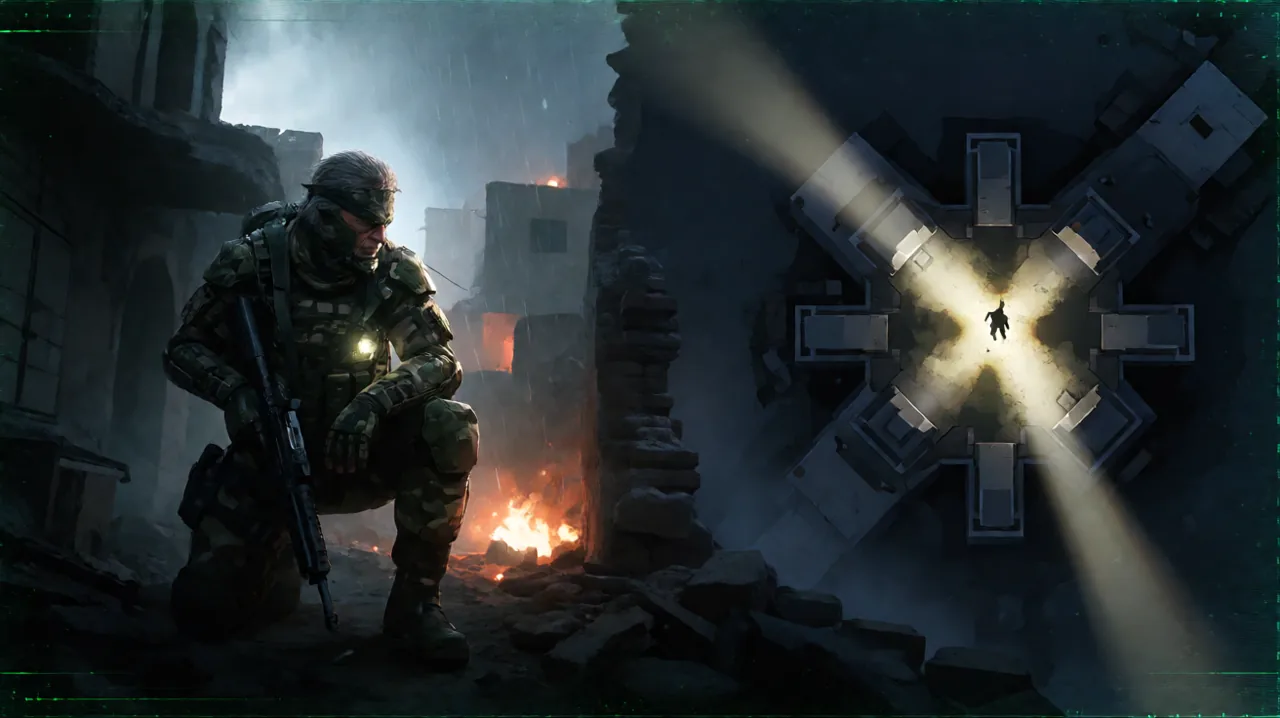
The arrival of Metal Gear Solid: Master Collection Vol. 2 is shaping up to be much more than a standard commercial re-release; it is rapidly emerging as a crucial milestone for video game preservation. As the expected release window approaches, early media reviews and community reports are painting a vivid picture of what fans can anticipate on PlayStation 5, Xbox Series X|S, PC, and the Nintendo ecosystem. While the spotlight naturally gravitates toward the monumental task of liberating Metal Gear Solid 4: Guns of the Patriots from its PlayStation 3 exclusivity, surprising highlights are emerging from the margins. From unexpected praise for the Game Boy Color classic Ghost Babel to consumer-friendly upgrade paths for the expected Nintendo Switch 2, the narrative surrounding this collection is deeply rooted in accessibility, historical preservation, and the enduring legacy of tactical espionage action.
A Monumental Win for Game Preservation
According to a recent review by Pocket Tactics, the upcoming launch of MGS4 on modern hardware—particularly its expected performance on the Switch 2—is not merely a technological revelation, but a definitive “win for game preservation.” For over a decade and a half, Hideo Kojima’s epic conclusion to Solid Snake’s saga has been notoriously trapped on the PlayStation 3. The underlying reason for this lengthy confinement was the PS3’s idiosyncratic Cell processor architecture. The hardware utilized a single central core and multiple Synergistic Processing Elements (SPEs), which Kojima Productions meticulously exploited to handle the game’s bespoke audio engines, battlefield physics, and complex AI routines.
Translating this highly specific, hardware-bound logic to universal PC and modern console architectures is an engineering marvel. While players often debate the visual fidelity of Vol. 1 vs Vol. 2, the jump from PS2-era code to mastering the bespoke PS3 engine represents an entirely different level of emulation and native porting strategy. The fact that early impressions indicate successful performance across these diverse platforms suggests that Konami has finally untangled the complex web of legacy code, ensuring that a pivotal chapter of gaming history will remain playable for future generations.
When players finally get their hands on this preserved version of MGS4, they will rediscover a robust stealth mechanics system that was arguably ahead of its time. At the core of the experience is the OctoCamo suit, an advanced adaptive camouflage system that seamlessly mimics the color and texture of any surface Old Snake presses against. Expected to look sharper than ever at higher 4K resolutions on premium consoles, this mechanic forces players to carefully read their environment and maintain a low profile in active warzones. Furthermore, players will also interact with the nuanced Psyche meter and Stress mechanics. Unlike traditional health bars, Old Snake’s effectiveness in combat is directly tied to his psychological state. Extreme temperatures, carrying heavy equipment, or extended firefights will drain his Psyche, leading to shaky aiming and slower movement. Mastering the MGS4 beginner guide involves managing this stress by utilizing the in-game iPod, resting in the shadows, or consuming specific rations.
The Unsung Hero: Ghost Babel Steals the Show
While MGS4 is the undisputed heavyweight of the collection, another title is reportedly stealing the hearts of early reviewers. According to coverage from outlets like Vooks, the inclusion of Metal Gear Solid: Ghost Babel is a massive, unexpected highlight. Originally released in the year 2000 for the Game Boy Color, Ghost Babel (simply titled Metal Gear Solid in western regions) is a non-canon, alternate-universe sequel to the original MSX Metal Gear. Because it was confined to a retro handheld, it has remained largely inaccessible to modern audiences without resorting to software emulation or tracking down expensive original cartridges. Its official inclusion in Master Collection Vol. 2 is a tremendous victory for retro preservation.
Despite its 8-bit visual limitations, Ghost Babel is a masterclass in translating 3D tactical espionage action into a top-down 2D plane. It features complex, multi-stage infiltration missions, a fully realized 2D radar system, and tense boss fights that rival its console counterparts in sheer strategic depth. The gameplay demands methodical movement across an 8-way directional grid, careful item management, and strategic use of the iconic cardboard box to bypass heavily guarded fortresses. Furthermore, it retains the series’ signature narrative depth through text-based codec conversations accompanied by beautifully drawn pixel-art character portraits. For many players picking up the new collection, this will be their very first time experiencing this forgotten masterpiece, and early review sentiment suggests it holds up remarkably well against modern indie stealth titles.
Pro-Consumer Moves: Free Upgrades for the Switch Ecosystem
Beyond the games themselves, community reports are highlighting consumer-friendly distribution strategies, particularly concerning the Nintendo ecosystem. A recent comprehensive thread on the NintendoSwitch2 subreddit compiled evidence suggesting that purchasing the physical Switch 1 cartridge of Master Collection Vol. 2 will reportedly grant players access to the expected Switch 2 enhancements via a free digital update.
This cross-generation compatibility is a significant relief for physical game collectors. Instead of being forced to purchase a separate, potentially more expensive Switch 2 specific cartridge at a later date, fans can confidently buy the standard Switch release knowing their game will organically scale up when they transition to the new hardware. This seamless upgrade path—often debated heavily in discussions surrounding platforms and editions—ensures that the collection remains a permanent, visually optimal fixture in players’ libraries, regardless of which Nintendo console they are currently operating.
Addressing PC Community Reports: Peace Walker Audio
However, the pre-release and preview phase has not been entirely without its technical hurdles, as the PC community has actively started documenting early bugs. Over on the main Metal Gear Solid subreddit, Steam users participating in early testing phases have reported experiencing audio crackling issues specifically tied to Metal Gear Solid: Peace Walker. The community notes that the audio distortion appears randomly during gameplay and seems isolated entirely to Peace Walker, effectively ruling out localized hardware or headphone issues. Given that this title was originally a PlayStation Portable game, it is highly likely that the PC version is utilizing a specific emulation wrapper or audio decoding method that is currently clashing with certain PC audio drivers or buffer settings.
Addressing this audio bug promptly is critical, as sound design is foundational to the Peace Walker experience. The game relies heavily on auditory cues for successful stealth, from the footsteps of approaching guards to the distinct sounds required for timing CQC throws. Moreover, the narrative is largely delivered through extensive, fully-voiced cassette tapes and codec calls that expand upon Big Boss’s journey and the founding of the offshore Mother Base.
Players diving into the Peace Walker beginner guide will quickly learn that the game features a deep management simulation. You must meticulously scan enemy stats before extracting them via the Fulton surface-to-air recovery system, then assign them to the Mess Hall to improve troop morale or the R&D team to unlock advanced suppressors and rocket launchers. Engaging in the challenging vehicle and AI weapon boss fights—which often require the coordinated effort of up to four players in co-op mode—demands flawless audio feedback. Hearing a teammate’s tactical callout or the precise mechanical whine of a Pupa AI weapon charging its attack is essential for survival. An audio crackling bug could severely dampen this cooperative immersion, making it a high priority for an expected day-one patch from the developers.
Looking Forward
As the expected launch date draws near, Metal Gear Solid: Master Collection Vol. 2 is proving to be a complex, multi-faceted release that carries immense historical weight. It is a triumphant rescue mission for MGS4, a well-deserved, long-overdue revival for the portable classic Ghost Babel, and a robust platform for Peace Walker’s unique co-op mechanics. The ongoing, passionate dialogue between early reviewers, community bug-hunters, and game preservationists underscores the immense cultural footprint of Hideo Kojima’s franchise. By bringing these stranded titles back into the modern gaming ecosystem, this collection ensures that the legacy of tactical espionage action will continue to challenge, entertain, and inspire a whole new generation of stealth operatives.