The 'One Major Job' Facing Metal Gear Solid: Master Collection Vol. 2
As the August 27 launch approaches, we explore the crucial Quality of Life features, UI upgrades, and control modernizations Vol. 2 must deliver to succeed.
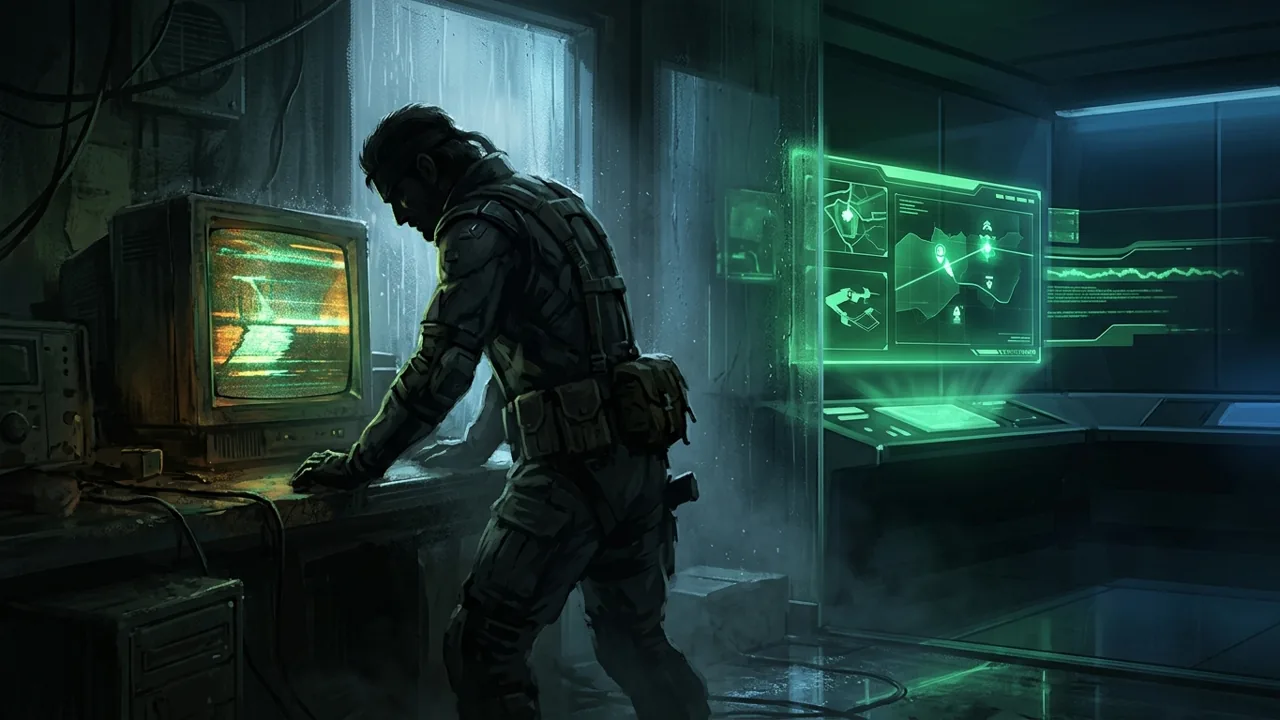
In a recent op-ed that has resonated strongly across the community, PlayStation Universe bluntly stated that Metal Gear Solid: Master Collection Vol. 2 “has one major job to do.” While fans have hotly debated the exact nature of this monumental task—ranging from untangling the infamous PlayStation 3 Cell architecture to preserving historical hardware branding—the overarching consensus points to something far more fundamental: Rebuilding player trust through a flawless, modernized Quality of Life (QoL) experience at launch.
With the collection slated to release on August 27, 2026, across PlayStation 5, Xbox Series X|S, Nintendo Switch, the highly anticipated Nintendo Switch 2, and PC via Steam, Konami is standing at a critical juncture. Bringing Metal Gear Solid 4: Guns of the Patriots, Metal Gear Solid: Peace Walker, and the cult-classic Metal Gear: Ghost Babel to modern hardware is a logistical triumph. However, merely making these games playable is no longer enough. To succeed where the early days of its predecessor stumbled, Vol. 2 must feel less like a rigid emulation output and more like a carefully tailored modernization.
Here is a comprehensive breakdown of the essential Quality of Life improvements, control overhauls, and gameplay modernizations that reportedly constitute this “one major job.”
Out-of-the-Box Perfection: Learning from Volume 1
When evaluating the expectations for this upcoming release, it is impossible not to look back at the lessons learned. If you are looking for a complete comparative breakdown of the packages, check out our Master Collection Vol. 1 vs Vol. 2 overview.
The first volume launched with several glaring omissions that frustrated the PC and modern console player base. The initial absence of resolution options, forced 720p output in certain legacy titles, compressed audio tracks, and a lack of granular control settings meant that early adopters were essentially playing raw, unoptimized ports. While Konami dutifully patched these issues over the following months—eventually transforming Vol. 1 into a very solid package—the community expectation is that Vol. 2 must absolutely not repeat this cycle.
The “major job” requires Vol. 2 to launch with these essential features natively active:
- Native 4K UI and Granular Graphical Settings: PC players expect FOV sliders, unlocked framerates (where game logic permits without breaking physics), and native rendering options. For console players, especially on PS5 and Xbox Series X, the visual presentation must be crisp. You can read more about our technical expectations in our Master Collection Vol. 2 Resolution Breakdown.
- Universal Pause and Suspend Menus: A unified, system-level overlay that allows players to pause during lengthy cutscenes—a notoriously frequent occurrence in the cinematic heavy MGS4—is critically important for modern gaming habits.
- Uncompressed Audio Synchronization: MGS4 features one of the most dynamic, meticulously crafted soundscapes in gaming history, heavily reliant on spatial awareness. Ensuring these tracks are uncompressed, properly mixed, and fully synced is non-negotiable for stealth gameplay.
Modernizing MGS4’s Unique Control Quirks
MGS4 is the undisputed crown jewel of this collection, having been completely trapped on the PS3 ecosystem since 2008. Consequently, its entire control scheme was built explicitly around the DualShock 3 and the Sixaxis motion controls. Adapting this for modern controllers is arguably the steepest gameplay challenge Konami faces.
The L1/R1 to L2/R2 Transition
In the PS3 era, aiming and shooting were traditionally mapped to the L1 and R1 shoulder buttons, as the L2 and R2 triggers on the DualShock 3 were notoriously squishy with a high deadzone. Today, the industry standard has firmly shifted to the bottom triggers for firearms. Vol. 2 needs to offer robust remapping options, allowing veterans to stick to the classic layout while giving newcomers a modern third-person shooter feel. If you are preparing to deploy for Old Snake’s final mission, brush up with our MGS4 Beginner Guide.
OctoCamo and Sixaxis Hardware Gimmicks
The OctoCamo suit is the central pillar of the stealth experience in Guns of the Patriots. By pressing flat against a surface, Old Snake’s suit actively mimics the texture and temperature of the surrounding environment. Originally, if players wanted to quickly reset the suit to its default neutral state, they had to physically shake the PS3 controller. While modern controllers like the PS5 DualSense and Switch Pro Controller possess gyroscopes, relying on aggressive motion controls in 2026 can be incredibly polarizing. A dedicated button macro (such as holding a direction on the d-pad) is expected to be implemented as a reliable alternative.
The Metal Gear Mk. II and CQC Balancing
Controlling the remote Mk. II drone also relied heavily on Sixaxis tilting for acceleration and turning. Translating this to standard dual-analog stick controls will make scouting much less frustrating. Furthermore, Close Quarters Combat (CQC) in MGS4 is intricate, allowing you to grab, disarm, inject, or throw PMC soldiers based on analog pressure and directional inputs. Mapping the CQC action button to a more intuitive layout without breaking these context-sensitive actions will be a delicate balancing act.
Streamlining Peace Walker: Mother Base and Outer Ops
While MGS4 provides the cinematic blockbuster appeal, Metal Gear Solid: Peace Walker serves as the mechanical blueprint that eventually birthed MGSV: The Phantom Pain. Its transition from the PSP to the PS3 HD edition was successful, but bringing it to 2026 platforms demands further UX refinement.
High-Resolution UI for Mother Base Management
Peace Walker operates heavily as a management simulator wrapped inside a tactical stealth game. You will spend dozens of hours navigating the Mother Base menus—assigning recruited soldiers to the R&D, Intel, or Mess Hall teams, and sending combat units on Outer Ops. In previous iterations, navigating these menus felt slightly sluggish. The Master Collection Vol. 2 is expected to leverage modern NVMe SSDs to make menu transitions virtually instantaneous. Furthermore, the text and iconography must be explicitly re-rendered in high definition; simple upscaling will result in a blurry mess that causes immense eye strain on a 4K display.
Fulton Recovery and Co-Op Infrastructure
The Fulton surface-to-air recovery system is the defining mechanic of Peace Walker. The on-screen prompts for attaching a balloon to a knocked-out soldier need to be visually distinct and responsive. More importantly, the cooperative aspect of Peace Walker was a massive selling point. The original game relied on PSP Ad-Hoc networks and later PS3 matchmaking rooms. For Vol. 2 to succeed today, it reportedly needs to integrate seamless, cross-generation drop-in/drop-out co-op, completely bypassing the archaic, disjointed lobby systems of the past. For more on maximizing the multiplayer aspect, refer to our Peace Walker Beginner Guide.
The Drebin Economy and In-Game Menus
Returning to MGS4, the Drebin Points (DP) system fundamentally altered the stealth-action loop. By collecting weapons from fallen enemies and battlefield remnants, Old Snake automatically launders them for DP, which can be spent on custom attachments, rare ammunition types, and unlockable esoteric weapons.
In 2008, fully pausing the game to navigate the Drebin shop menu interrupted the pacing of intense firefights. A modernized QoL approach might involve a transparent UI overlay or a quick-buy shortcut system mapped to an unused button combination, allowing players to replenish ammo without completely breaking their combat immersion. Additionally, the weapon wheel and item wheel—which can become incredibly bloated as you progress through the late-game acts—would benefit greatly from an optional grid layout or faster scrolling sensitivity.
Elevating Ghost Babel with Retro Quality of Life
It is vital not to overlook Metal Gear: Ghost Babel, the critically acclaimed Game Boy Color spin-off included in this package. Emulating a handheld game from the year 2000 on a massive modern display presents its own unique set of challenges.
To treat this title with the respect it deserves, the “major job” here involves implementing premium retro emulation features. This includes:
- CRT and LCD Screen Filters: Giving players the option to simulate the original unlit GBC screen matrix, or the crisp pixel-perfect grid of a modern LCD, adding immense nostalgic value.
- Rewind and Save States: Ghost Babel is a notoriously unforgiving stealth game. A single mistake or misaligned pixel during an alert phase can send you back to a distant checkpoint. A modern rewind feature—similar to what Nintendo offers on its Switch Online service—would make the game far more accessible and less punishing to a contemporary audience.
- Custom Borders and Aspect Ratios: Filling the negative space on a 16:9 widescreen display with beautiful, high-resolution concept art of the Galuade fortress rather than a generic black void.
Final Thoughts: The Path to August 27
PlayStation Universe is entirely correct: the task ahead is singular, clear, and massive. Metal Gear Solid: Master Collection Vol. 2 doesn’t need to reinvent the wheel, nor does it need to aggressively alter the Kojima Productions narratives that defined a generation. It simply needs to present them flawlessly for modern eyes and modern hands.
If Konami can successfully implement these essential Quality of Life features, smooth out the unique control quirks of the PS3 era, and ensure a stable, beautiful presentation across PC, PS5, Xbox, and Switch 2, they will have accomplished their major job. They will not only preserve a vital piece of gaming history but also fully redeem the Master Collection brand in the eyes of the diehard fans.
We will be watching closely as August 27 approaches. Prepare your loadouts, review the Metal Gear Timeline, and get ready to return to the battlefield.