Restoring the Missing MGS4 Integral Podcast in Master Collection Vol. 2
The official developer commentary tracks for Guns of the Patriots were reportedly left out of Vol. 2. Here is how the community is saving them and how to maximize your in-game audio player.
When Konami finally unshackled Metal Gear Solid 4: Guns of the Patriots from its PlayStation 3 exclusivity, the community knew a few compromises were inevitable. The sheer logistical nightmare of porting a game so deeply intertwined with 2008-era hardware, proprietary architecture, and real-world brand licensing meant that the Metal Gear Solid: Master Collection Vol. 2 was always going to look or feel slightly different under the hood. While the core tactical espionage action remains brilliantly intact and visually upgraded across the PlayStation 5, Xbox Series X|S, Nintendo Switch 2, and PC, a highly specific piece of historical media has reportedly been left on the cutting room floor.
According to pre-release datamining and extensive post-launch community testing, the native MGS4 Integral Podcast is entirely missing from this highly anticipated bundle. For veteran fans who spent hours crawling through the dusty warzones of the Middle East listening to developers dissect the game’s architecture, this omission stings. For newcomers exploring the end of Solid Snake’s saga for the very first time, you might not even realize what you are missing out on. But thanks to swift action from the game preservation community, you can still experience this lost piece of Kojima Productions history.
The Visionary Concept of the Integral Podcast
To truly understand the frustration surrounding the missing podcast, we have to look back at how innovative the feature was at the time of its original release. When Guns of the Patriots originally launched, players could access an “Extras” option from the main menu. This menu connected directly to a Konami server that hosted a series of downloadable audio tracks. These were not just extra pieces of background music; they were full-fledged, professionally produced podcast episodes hosted by Kojima Productions staff, including familiar voices like Ryan Payton and Aki Saito.
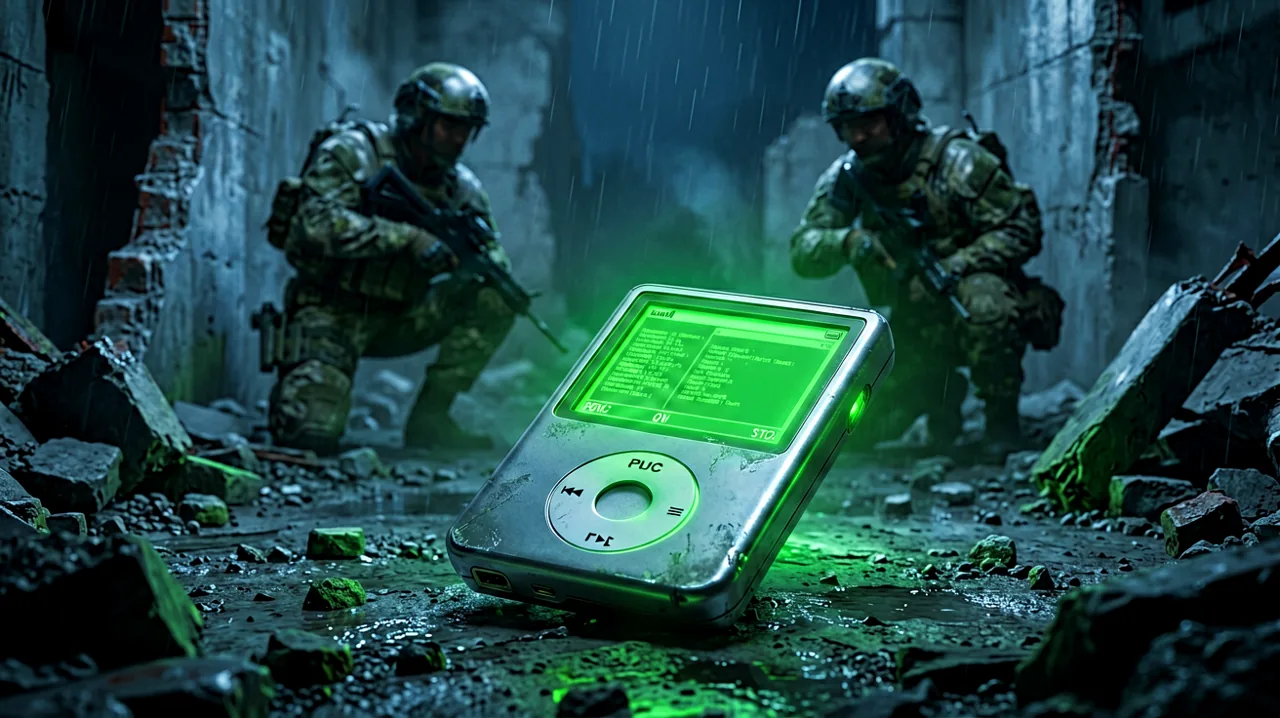
The concept was brilliant in its execution. The developers deliberately designed these audio tracks to be listened to contextually alongside your gameplay. You would equip Old Snake’s in-game media player item, select a specific downloaded podcast episode, and listen to the creators discuss the exact environment you were currently infiltrating. They would break down level design decisions, explain the complicated mechanics behind the OctoCamo camouflage system, and share behind-the-scenes anecdotes about localizing the dense script. It functioned essentially as an interactive director’s commentary track layered seamlessly over your active gameplay.
In the Master Collection Vol. 2 release, community reports have confirmed that this feature has been quietly retired. The likely culprit is simply digital infrastructure. The original Konami servers hosting those specific XML feeds and MP3 files have been offline for years. Re-licensing the audio, digging up the master files, and hardcoding them directly into the massive file size of the port was likely deemed too resource-intensive by the current development team.
The Community RSS Rescue Operation
When official publisher support ends, the passionate fanbase takes over. Within weeks of the Master Collection Vol. 2 going live globally, the Metal Gear community mobilized to resurrect the lost commentary. A dedicated archivist operating under the Reddit handle jdigi78 has successfully compiled the raw audio files—originally ripped by YouTube archivist GHzGangster years ago—and completely rebuilt the listening experience for the modern era. But they did not just upload a messy folder of MP3s to a file-sharing site; they engineered a proper, elegant solution.
By creating a custom RSS feed packed with meticulously organized metadata and custom cover art, the community has made the Integral Podcast accessible on literally any modern podcasting application. Whether you use Apple Podcasts, Spotify, Pocket Casts, or even a vintage dedicated MP3 player you have kept alive since 2008, you can now manually subscribe to this feed.
To replicate the intended developer experience while playing the Steam or console versions of the game, players simply need to boot up their save file, pull out their physical smartphone, and hit play on the corresponding podcast episode when they reach specific checkpoints in the campaign. The custom RSS feed descriptions even painstakingly detail the original recommended in-game listening locations. In some practical ways, having the audio play through your phone or a secondary monitor while your main television handles the battlefield noise actually provides a much cleaner audio mix than the original PS3 release, where players constantly had to manually balance the in-game music volume against the podcast dialogue in the options menu. If you are struggling with the PC version’s audio mixing or overall performance, check out our MGS4 PC troubleshooting and Act 5 survival guide.
Maximizing the In-Game Media Player
While the official podcast did not make the jump to modern platforms, the actual item you use to listen to music in Guns of the Patriots remains fully functional and is a crucial part of surviving the game’s brutal combat encounters. If you are aiming for a high ranking, attempting a no-alert stealth run, or simply struggling with the game’s unique stress mechanics, you cannot afford to ignore Snake’s personal audio library.
Unlike the audio mechanics in Metal Gear Solid: Peace Walker, where the Walkman is largely a menu-driven lore delivery device for Chico and Paz’s narrative tapes, the media player in MGS4 has direct, tangible gameplay implications tied directly to the Psyche gauge. Old Snake is simply not the soldier he used to be. Extreme weather conditions, carrying a heavy weapon loadout, taking combat damage, and simply being surrounded by hostile Private Military Company (PMC) forces will rapidly deplete his Psyche. When this gauge drops into dangerous territory, Snake’s aim wavers drastically, his stamina recovery tanks, and he can even pass out during intense firefights.
Playing specific tracks through the in-game device will actually regenerate your Psyche over time, allowing you to endure longer stealth segments without burning through valuable Regain energy drinks or instant noodles. Scattered throughout the five acts of the game are hidden tracks that offer varying degrees of psychological recovery. You can find these tracks hidden in lockers, underneath vehicles, or by exploring far off the critical path.
- The Healing Power of Nostalgia: Finding and playing tracks from previous legacy games, such as “Zanzibar Breeze” or the classic “Theme of Tara,” provides a noticeable bump to your Psyche recovery rate. It is a mechanical reflection of Snake finding comfort in his past missions.
- Combat Manipulation and CQC: There are highly advanced Close Quarters Combat (CQC) applications as well. If you manage to hold up an enemy PMC soldier and search them while certain upbeat tracks are playing (like the iconic “Oishii Two-han Seikatsu”), there is a chance the confused soldier will react uniquely, sometimes dropping rarer ammunition or extra Drebin points.
- OctoCamo Synergy: While blending into your environment using the OctoCamo suit, the ambient noise of your chosen track can sometimes mask the subtle rustling of your movement. Though left unconfirmed by the game’s internal digital manual, veteran speedrunners have long sworn by using specific audio frequencies to slightly alter enemy patrol AI responsiveness during no-alert runs. For more on mastering these core systems, review our MGS4 beginner guide.
Audio as Exposition Across the Master Collection
The absence of the Integral Podcast highlights just how heavily the assorted games in Master Collection Vol. 2 rely on audio to tell their complex stories. The collection itself spans multiple distinct eras of Kojima Productions’ design philosophy, and you can clearly see how their approach to exposition evolved.
In Metal Gear: Ghost Babel, included as a brilliant bonus portable title in this package, the narrative is entirely text-based and visual. You are staring at an 8-bit Codec screen, absorbing the grim reality of the Galuade fortress through beautifully pixelated portraits and scrolling text. It requires active reading and a vivid imagination to hear the iconic voices of Campbell and Mei Ling in your head.
Fast forward to the origins of Peace Walker, and the exposition methodology shifts dramatically toward passive listening. You will spend dozens of hours in the Mother Base menus managing your Outer Ops deployments while simultaneously listening to high-quality, fully voiced briefing tapes. The narrative happens almost entirely in your ears while your hands manage the intricate logistics of a private military company. If you need help managing this base, consult our Peace Walker beginner guide.
Guns of the Patriots attempted to forcefully merge these two worlds. It featured famously long hours of cinematic cutscenes, but the experimental inclusion of the Integral Podcast was an ambitious attempt to let players absorb dense, real-world development information while remaining in total control of Snake on the battlefield.
Final Thoughts on Game Preservation
The launch of Master Collection Vol. 2 is undeniably a monumental achievement in making classic games accessible to a new generation. Taking a title notorious for its bespoke, complicated architecture and ensuring it runs smoothly on modern displays is nothing short of a technical miracle. For a detailed breakdown of how the game performs on new hardware, read our Master Collection Vol. 2 resolution and framerate breakdown.
However, the loss of the Integral Podcast serves as a stark reminder of the inherent fragility of digital media. Features reliant on external web servers or hyper-specific licensing agreements are almost always the very first casualties when a game is resurrected a decade later. For now, the global community has stepped up to fill the gap. By utilizing the RSS feed provided by dedicated archivists, you can piece together the complete 2008 launch experience. When you finally step into the dusty streets of the Middle East, activate your Solid Eye, and prepare to bypass the Gekko patrols, do yourself a favor: load up the community podcast feed on your phone, hit play, and listen to the developers explain exactly how they built the warzone you are about to survive.