Master Collection Vol. 2 Launches in 7 Days: Essential Peace Walker Mechanics to Master
With Metal Gear Solid: Master Collection Vol. 2 launching on August 27, the final countdown has begun. Review Peace Walker's core mechanics to prepare for deployment.
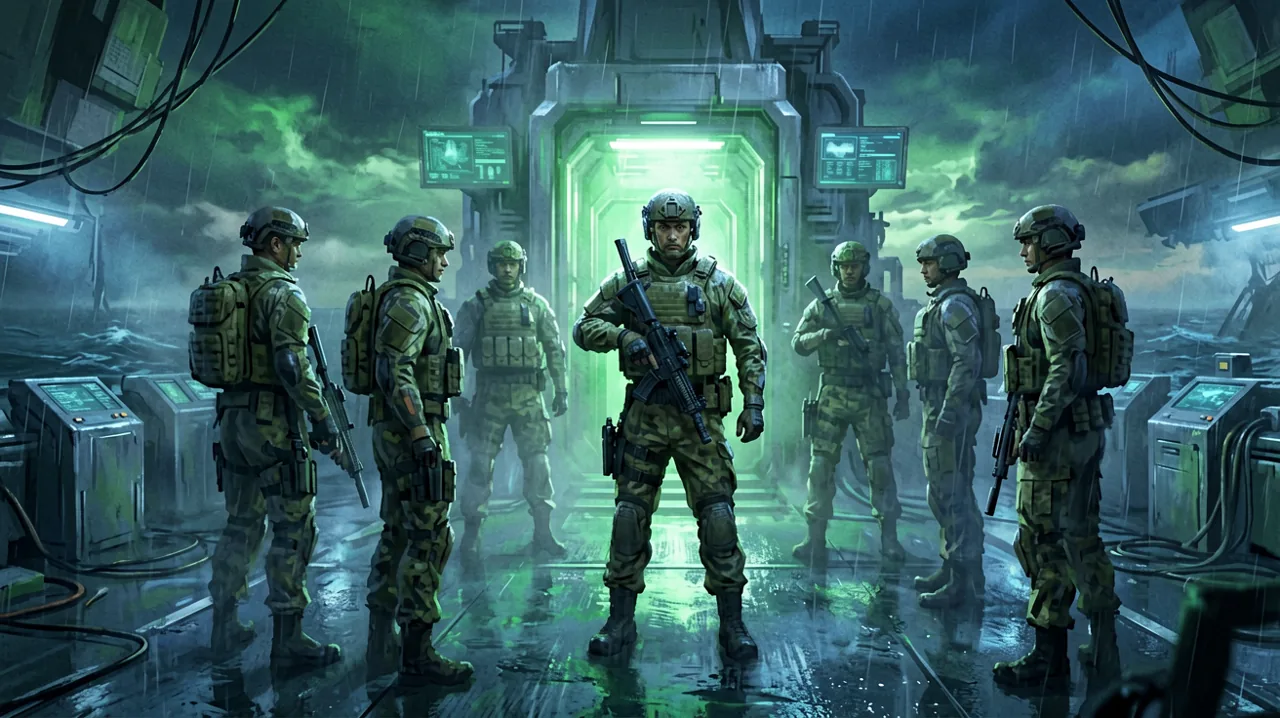
The One-Week Countdown Commences
The wait is almost over. We are exactly seven days away from the August 27 launch of Metal Gear Solid: Master Collection Vol. 2. Across the gaming community, the anticipation has hit a fever pitch. Digital storefronts are already preparing for the influx of players; a recent Nintendo Download update highlighted the collection as one of the leading releases of the week. This early visibility on the eShop signals that Switch players—and reportedly future Switch 2 adopters—are gearing up for portable tactical espionage action. Meanwhile, over on the PlayStation subreddits, eager fans have been enthusiastically counting down the days until they can boot up the collection on their PS5 consoles, sharing their memories of the original releases and setting their launch day schedules.
This final stretch of waiting provides the perfect opportunity to review the sheer mechanical density of what this package offers. While much of the early conversation over the past few months naturally gravitated toward the monumental technical effort of liberating MGS4: Guns of the Patriots from its original PlayStation 3 hardware architecture, gaming outlets are now broadening their coverage. For instance, GamingBolt recently shifted the spotlight back to another massive pillar of this release: Metal Gear Solid: Peace Walker. Their recent breakdown of “15 Key Details” serves as a fantastic reminder that this former handheld title is an absolute juggernaut of content, arguably offering the most replayability of any game in the series.
Peace Walker radically altered the franchise’s trajectory. Instead of a single, linear infiltration mission spanning a few days, it introduced a persistent, mission-based structure layered with base management, soldier recruitment, and cooperative play. For veterans returning to the fray or newcomers experiencing this chapter for the first time, understanding these systems is crucial. As we prepare for the highly anticipated release on August 27, let us examine the essential mechanics you need to grasp before deploying to Costa Rica.
Mastering the Fulton Recovery System
If you played Metal Gear Solid V: The Phantom Pain, you are already intimately familiar with the Fulton surface-to-air recovery system. However, Peace Walker is where this mechanic truly found its footing and became the core loop of the gameplay experience. Instead of simply sneaking past guards without a trace or neutralizing them with a tranquilizer dart and leaving them to wake up, your primary goal in Peace Walker is to extract them from the battlefield and actively recruit them into your own private army, Militaires Sans Frontières (MSF).
The Fulton system is activated by attaching a specialized high-altitude balloon to a stunned, sleeping, or held-up enemy soldier. Within seconds, they are yanked violently into the sky and safely recovered by your support helicopter hovering above. This creates a fundamentally different approach to tactical espionage action. You are no longer just an observer slipping through the shadows; you are a battlefield recruiter looking for prime talent.
When jumping into the Master Collection Vol. 2 version on modern platforms, players can expect the improved resolution to significantly enhance enemy visibility from a distance. Furthermore, the community highly anticipates a smoother frame rate compared to the original PlayStation Portable limitations. Pulling off a multi-target CQC (Close Quarters Combat) slam to stun three guards simultaneously, and then rapidly deploying three Fulton balloons before any of them recover, requires precise timing and quick camera manipulation—something that will benefit immensely from modern dual-analog controllers.
However, Fulton balloons are a finite resource during missions. You must carefully evaluate enemy soldiers using your analyzer tool to see their stats before deciding if they are worth spending a precious balloon on. As you progress, you will unlock advanced extraction methods, including Fulton mines and the highly coveted Carl Gustav Fulton launcher, which allows you to extract enemies from a distance.
Mother Base: The Strategic Metagame
Every soldier you extract via the Fulton system is sent directly to Mother Base, an offshore plant that serves as your headquarters. Managing this facility is the beating heart of Peace Walker. The soldiers you recruit are not just numbers; they possess specific letter grades across various disciplines. Your job is to assign them to the appropriate units to maximize Mother Base’s efficiency and unlock new gear.
The base is divided into several distinct teams:
- Combat Unit: These are the soldiers you can directly control in missions instead of Snake, or send out on automated combat deployments. Finding combat personnel with high health and stamina is essential.
- R&D (Research and Development) Team: Arguably the most critical unit early on. A high-level R&D team is required to develop new weapons, upgrade your tranquilizer pistol, create better rations, and build advanced camouflage.
- Intel Team: This team provides crucial logistical support, improving your radar, delivering supply drops during long missions, and identifying enemy positions.
- Medical Team: Soldiers get sick or injured in battle. A robust medical staff ensures they recover quickly and maintain high morale, while also researching better life-recovery items.
- Mess Hall Team: An army marches on its stomach. This team provides the food necessary to keep everyone’s morale high; if food levels drop, your soldiers might desert MSF entirely.
This metagame is intensely addictive. You will frequently find yourself replaying earlier Extra Ops missions just to hunt for an S-Rank R&D specialist or a high-tier medic. The progression is deeply satisfying, as every new item you develop tangibly impacts your capabilities on the ground, creating a perfect feedback loop.
Outer Ops and the Automated War Economy
As your Mother Base expands, you will inevitably recruit more combat personnel than you can personally play as. This is where Outer Ops comes into play. Outer Ops is a simulated combat mode where you assemble squads of your combat-ready MSF soldiers, equip them with weapons developed by your R&D team, and dispatch them to various conflict zones around the world.
These battles play out automatically based on the stats of your troops and the gear you have provided them. It adds a layer of RPG-lite strategy to the Metal Gear experience. Winning Outer Ops missions rewards you with GMP (Gross Military Product, the in-game currency), rare resources, and sometimes captured enemy vehicles like tanks and armored personnel carriers. These vehicles can then be incorporated into your own Outer Ops squads, creating a snowball effect of military power.
You must be careful, however. Soldiers sent on difficult Outer Ops can be permanently killed in action. Balancing the risk versus reward when assigning your best troops is a persistent challenge that will keep you engaged between main missions.
Cooperative Infiltration and AI Boss Battles
One of the most unique aspects of Peace Walker that sets it apart from traditional entries is its emphasis on cooperative play. Almost every mission in the game can be played with at least one other player, and boss battles support up to four players simultaneously.
Co-op fundamentally changes the stealth dynamic. Players can perform synchronized takedowns, share items, and even utilize specialized co-op equipment like a cardboard box designed for two people. If a teammate is severely wounded, you can perform CPR to revive them before they bleed out. The “Snake-in” formation allows players to link up, moving together while one player focuses on navigation and the others provide 360-degree covering fire. We strongly recommend checking our guide on the return of Peace Walker co-op expectations to see how this translates to the modern networking ecosystem.
The cooperative mechanics shine the brightest during the game’s formidable boss encounters. Instead of fighting eccentric human individuals, Peace Walker pits you against massive, heavily armored AI weapons: the Pupa, Chrysalis, Cocoon, and the titular Peace Walker. These towering mechs require coordinated assaults to dismantle. One player might draw the boss’s fire with a heavy machine gun while another targets its sensitive AI pods with a sniper rifle, and a third calls in supply drops from the Intel team to keep everyone stocked on ammunition.
A Diverse Tactical Package
As we count down these final seven days, it is worth reflecting on the sheer variety included in this release. Master Collection Vol. 2 is not just a straightforward nostalgia trip; it is a compilation of wildly distinct design philosophies that defined different eras of the franchise.
On one end of the spectrum, you have the intense, narrative-driven solo experience of MGS4, where you carefully manage the OctoCamo system and the Drebin Points economy to survive a bleak, war-torn future. For a refresher on these systems, our MGS4 beginner guide has you covered. On the other end, you have Peace Walker, offering a sprawling, systems-driven management loop mixed with cooperative action. And tucked in between is the critically acclaimed 2D stealth mastery of Metal Gear: Ghost Babel, offering a completely different flavor of top-down puzzle-box infiltration.
Whether you are preparing to meticulously manage your Mother Base staff, aiming for the punishing Big Boss rank, or just want to experience the overarching narrative spanning across these different platforms, the arrival of Vol. 2 on modern hardware is a landmark moment. Ensure your hard drives have enough space, brush up on your CQC techniques, and get ready for August 27. The mission is about to begin.
Sources
- Nintendo Download: ELDEN RING Tarnished Edition and Metal Gear Solid Master Collection Vol. 2 Lead This Week’s Releases - OtakuKart
- METAL GEAR SOLID: MASTER COLLECTION Vol. 2 Launches on PS5 in Just 7 Days! - Reddit
- Metal Gear Solid: Peace Walker (Master Collection Vol. 2) – 15 Key Details You Need to Know - GamingBolt