MGS4 on PC Sparks Datamining Hopes as the Big Boss Emblem Returns to PS5
With Master Collection Vol. 2 approaching, the PC community prepares to datamine unreleased MGS4 audio, while console players brace for the Big Boss Emblem.
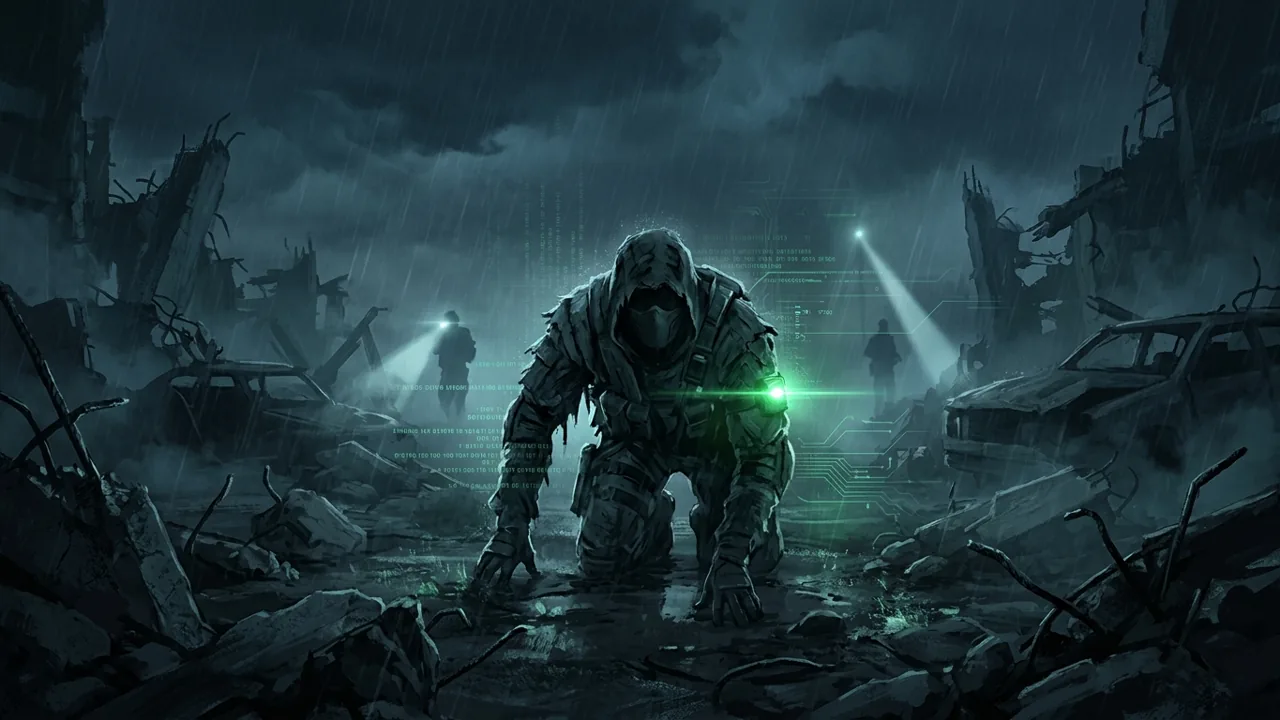
The impending arrival of Metal Gear Solid: Master Collection Vol. 2 on August 27, 2026, represents a structural shift for the franchise’s historical preservation. For over a decade, MGS4: Guns of the Patriots remained tethered exclusively to the PlayStation 3 hardware. As the collection prepares to launch across PlayStation 5, Xbox Series X|S, Nintendo Switch 2, Nintendo Switch, and PC via Steam, the player base is fracturing into two distinct camps of anticipation: archivists hungry to crack open the game’s file architecture, and console purists preparing for the ultimate stealth run.
The PS3 Vault Opens
For 18 years, the unique Cell processor of the PlayStation 3 acted as an impenetrable fortress for MGS4’s raw assets. While emulator developers achieved massive strides in recent years, cleanly extracting uncompressed textures, models, and audio stems remained a highly complex and often unsuccessful endeavor. The native PC release fundamentally alters this reality. By porting the proprietary engine to modern Windows environments, Konami is inadvertently handing the keys to a vast community of data miners and preservationists. As noted in our prior platform announcements coverage, this marks a historical shift for accessibility.
The implications extend far beyond basic visual enhancements. The MGS community maintains a long history of documenting unused content, from cut codec conversations to scrapped weapons. The Steam release of Master Collection Vol. 2 is expected to expose the directory structures, leading to a renaissance in franchise archaeology. Players who previously had to rely on compressed video captures or hardware workarounds will reportedly have direct access to the files that defined the 2008 release. The transition is monumental, essentially liberating the game’s code from a hardware generation that has long since been retired. Read more about the historical context in our feature detailing how MGS4 finally leaves PS3.
The Hunt for Lost Codecs and Audio
A primary objective for the PC community is the recovery of unreleased music tracks. A recent mobilization on the Metal Gear Solid subreddit highlighted the specific demands of audio archivists ahead of the launch. Fans are specifically searching for two tracks that were never included in the official soundtrack releases, showcasing the deep passion that still surrounds the game’s audio design.
The first target is an unreleased piano rendition of “Who Am I Really?”. This specific arrangement plays during the climactic Act 4 sequence when Raiden intercepts Outer Haven to protect an exhausted Old Snake, triggering auditory flashbacks to Rosemary at Federal Hall. Because of the way the PS3 handled dynamic audio mixing, ripping a clean version without the overlapping sound effects of crushing metal and desperate screams was unachievable. The emotional resonance of this scene is tied directly to this piano motif, and fans are desperate to preserve it in a pure format.
The second targeted track is a cinematic variation of “White Blood”, which underscores the tense Nomad medical bay briefing in Act 4. This is the scene where Snake tells Raiden, “You were the lightning in that rain, you can still shine through the darkness,” prompting a visceral, heartbreaking response from Raiden regarding his lack of family. The emotional weight of these scenes is anchored by these specific audio cues, and the PC launch offers the first genuine opportunity to isolate the raw FLAC files directly from the installation folders.
If data miners succeed, these extractions will fill longstanding gaps in the franchise’s musical history. It also raises questions about what else might be hiding in the code. Could the community uncover unused OctoCamo patterns? Remnants of abandoned boss mechanics? Fully voiced codec calls that were left on the cutting room floor? The PC version is poised to answer questions the community has harbored for almost two decades.
The Return of the Big Boss Emblem on PS5
While PC players prepare their extraction tools, console players are bracing for a different kind of challenge. According to a recent report by GameLuster, the legendary Big Boss Emblem is confirmed to return in the PS5 version of Master Collection Vol. 2. This establishes the baseline for a brutal gauntlet of stealth mastery.
Earning the Big Boss Emblem in MGS4 is widely considered one of the most demanding achievements in modern stealth action. The historical requirements demand absolute perfection on The Boss Extreme difficulty: complete the game in under 5 hours, trigger zero alert phases, execute zero kills (including bosses), use zero continues, consume zero health items, and entirely avoid the use of special items like the Stealth Camouflage or the Bandana. For a detailed breakdown of the trophy implications, refer to our analysis of the brutal trophy leak.
The return of this emblem indicates that the fundamental balancing of the stealth mechanics remains intact in the remaster. However, the hardware leap might subtly alter the execution of these mechanics. The original game frequently suffered from severe frame rate drops during intense sequences, such as the Middle East militia battles or the motorcycle chase in Eastern Europe. The transition to a targeted 60fps at high resolutions on the PS5 and Xbox Series X should theoretically provide tighter input response.
Executing precise CQC (Close Quarters Combat) throws, quickly navigating the weapon wheel for non-lethal tranquilizers, and perfectly managing Old Snake’s OctoCamo index will require the same tactical patience, but the modern controller hardware—particularly the DualSense—might offer a more responsive edge. CQC in MGS4 is highly context-sensitive. The difference between a lethal throat slit, a non-lethal chokehold, or a dynamic throw into another enemy depends on incredibly precise analog stick movements and button pressure. The refined actuators and precise deadzones of modern controllers are expected to make these split-second decisions feel more intuitive, reducing the accidental lethal takedowns that historically ruined many Big Boss rank attempts.
Furthermore, the Drebin Points economy will be crucial for these pacifist runs. Purchasing non-lethal V-Ring ammunition and customized suppressors is mandatory. On the original hardware, players manipulated the console’s internal clock to exploit Drebin’s sale days. It remains unconfirmed if Master Collection Vol. 2 will retain this hardware-based quirk or adjust the pricing economy for modern online ecosystems. Players looking to refresh their memory on threat rings and camouflage indexing should consult our MGS4 beginner guide.
Peace Walker: Co-op and Mother Base on Modern Hardware
The intense focus on MGS4 often eclipses the other massive titles included in the package. Metal Gear Solid: Peace Walker stands to gain significantly from the multi-platform jump. While the HD Edition previously liberated it from the PSP, Master Collection Vol. 2 brings it to modern hardware, including the highly anticipated Switch 2.
Peace Walker was built fundamentally around cooperative play and incremental progression. The transition to modern network infrastructures on Steam, PSN, and Xbox Live means that finding partners for challenging vehicle battles or AI weapon fights is expected to be significantly smoother than in the PS3 era. Coordinating synchronized sniper shots or deploying distractors while a partner flanks a heavily armored tank requires seamless communication. The modern voice chat integration on platforms like Discord or native console parties will elevate this cooperative tactical action far beyond the limitations of ad-hoc PSP connections.
On the PC front, modders are already theorizing about tools that could streamline Mother Base management, rebalance Outer Ops dispatch missions, or uncap the game’s framerate. The base management aspect, assigning recruited soldiers to the Mess Hall or R&D team, is a precursor to the systems seen in later entries, and experiencing it with the speed of an SSD will eliminate the tedious load times of the past. For those jumping into the mercenary management simulation for the first time, our Peace Walker beginner guide breaks down the essential early-game strategies.
Ghost Babel: The Tactical Espionage Gem
We must also acknowledge the inclusion of Metal Gear: Ghost Babel. Originally restricted to the Game Boy Color, this non-canon spin-off features some of the tightest 2D stealth mechanics in the entire franchise. Seeing it properly emulated on a Switch 2 OLED screen or a modern monitor will introduce an isolated, brilliant tactical espionage experience to a massive new audience.
Ghost Babel requires methodical planning, utilizing the radar effectively, and mastering limited sightlines. Unlike the 3D entries, you cannot rely on a first-person view to check corners; you must trust your spatial awareness and the limited screen real estate. The game also features a unique ranking system for its stages and special VR training missions that test your grasp of its 2D mechanics. Its inclusion in the collection demonstrates a commitment to preserving the entirety of the franchise’s legacy, not just the blockbuster 3D titles. It serves as a perfect mechanical palate cleanser between the cinematic heavyweights of the larger collection, offering pure, unadulterated stealth puzzles.
The Countdown to August 27
As the August 27 release date approaches, the community’s dual focus highlights the multifaceted appeal of Master Collection Vol. 2. Whether you intend to meticulously scour the PC directories for a forgotten piano melody or subject yourself to the punishing constraints of the Big Boss Emblem on PS5, the return of these titles represents a definitive moment. The era of standard definition limitations and locked hardware architectures is ending, giving these tactical espionage operations the robust modern platforms they deserve.