Master Collection Vol. 2 Arrives August 27: The Community Debate Over MGS4's Visual Remastering
With the August 27 release date confirmed, the Metal Gear community is actively debating the technical methods used to modernize MGS4's visuals for modern platforms.
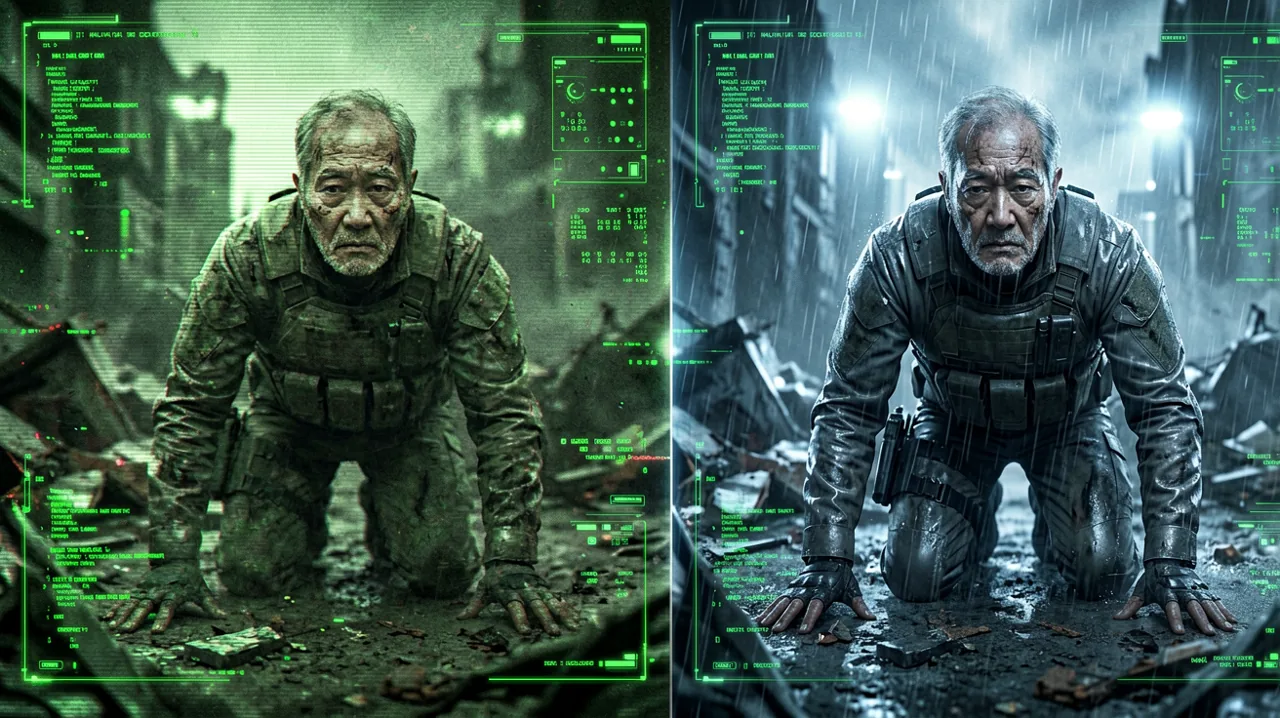
The long wait for definitive answers is finally over. According to recent news reports circulating across the web, Konami has locked in August 27, 2026, as the official launch date for Metal Gear Solid: Master Collection Vol. 2. This monumental release will officially break the infamous PlayStation 3 exclusivity of Metal Gear Solid 4: Guns of the Patriots, bringing it alongside Metal Gear Solid: Peace Walker and the beloved portable spin-off Metal Gear: Ghost Babel to modern hardware, including the PlayStation 5, Xbox Series X|S, PC, and the Nintendo Switch 2.
While the confirmation of the exact date gives players a concrete target to circle on their calendars, the discussion within the fandom has rapidly shifted from “when” to “how.” Transitioning a game as notoriously complex and deeply tied to early seventh-generation console architecture as MGS4 is no small feat. Over on community hubs like Reddit, a fierce technical debate has erupted following recent visual comparisons, centering on exactly how Konami is achieving this long-awaited modernization and what it means for the authentic gameplay experience.
The August 27 Launch: Escaping the PS3 Hardware Prison
For over fifteen years, the fourth main installment of the franchise was effectively held hostage by the proprietary architecture of the PlayStation 3. The confirmation that the game will be available on the PlayStation 5, Xbox Series X|S, and the heavily rumored capabilities of the Switch 2 is a watershed moment for game preservation. You can read more about the historical context in our previous coverage of how MGS4 finally leaves PS3.
The transition to modern hardware isn’t just about accessibility; it is fundamentally about presentation and performance. However, updating a game designed exclusively for the Cell Broadband Engine presents unique hurdles. The original game utilized a highly specific set of rendering techniques, severe texture compression, and aggressive color grading to manage the limited memory bandwidth of the 2008 console. As fans prepare for the August launch, the community is laser-focused on how these elements translate to 4K displays.
The PS3 Compression Legacy and Engine Quirks
To understand the current debate surrounding the remastered visuals, we have to look back at the development environment of the original release. Hideo Kojima and his team famously filled a 50GB dual-layer Blu-ray disc to its absolute limit. To make the massive cinematic experience fit, the developers utilized heavy compression techniques for environmental textures, character assets, and the extensive pre-rendered cutscenes.
The distinct visual identity of the game—its dusty, desaturated Middle Eastern warzones, the gritty bloom lighting, and the distinct greenish-brown color grading—was heavily influenced by these hardware constraints. It was a masterpiece of working within tight boundaries to produce a cohesive cinematic atmosphere.
Now, as the game prepares for its debut on systems boasting vastly superior processing power, Konami faces a preservation dilemma. Do they present the game exactly as it appeared on a PS3 connected to an older LCD television, complete with compression artifacts, or do they utilize modern techniques to clean up the image, potentially altering the original artistic intent?
Master Source Files vs. AI Upscaling: The Community Analysis
Recent side-by-side visual comparisons scrutinized by the community have sparked two distinct, heavily debated theories regarding Konami’s technical approach to this highly anticipated port.
The first theory posits that the developers have returned to the original, uncompressed master source files. During the development phase in the mid-2000s, assets like wall textures, uniform fabrics, and weapon models were created at much higher resolutions before being aggressively compressed to fit within the PS3’s memory footprint. Several users analyzing the pre-release imagery argue that the cleaner, sharper appearance in the Master Collection Vol. 2 is simply the result of removing that decades-old PS3 compression. This would mean players are finally seeing the game’s assets as they existed natively on the developers’ workstations in Tokyo, unhindered by console limitations.
However, a second, equally vocal segment of the community suspects a vastly different methodology. Pointing to certain visual anomalies and the specific way some background textures appear unnaturally smoothed out, these fans theorize that Konami might be employing AI upscaling technologies directly on the final, compressed PS3 files. AI upscaling algorithms have become incredibly prevalent in modern video game remasters, offering a fast and cost-effective way to boost resolution for 4K output. Yet, these tools can sometimes misinterpret visual data, leading to a “waxy” look that inadvertently strips away the fine, gritty details that gave the original environments their character.
Interestingly, this technical discourse has highlighted a fascinating sentiment among a subset of veteran players: the belief that the original PS3 version actually looks “better.” For these purists, the heavy compression, the noise, and the specific visual artifacts of the PS3 era are integral to the melancholic atmosphere of Old Snake’s final mission. Stripping those imperfections away might technically improve the pixel count, but some argue it sanitizes the desolate aesthetic. For further reading on how the community is setting expectations based on early previews, check out our breakdown of the visual upgrades expected for MGS4.
Gameplay Enhancements: 60FPS, CQC, and OctoCamo
Beyond the intense debate over texture fidelity, the leap to modern hardware will have profound, undeniable effects on the moment-to-moment stealth action. The original PS3 release operated with a famously unlocked framerate that could swing wildly between a sluggish 20fps during intense, explosive combat sequences and a smooth 60fps when navigating tight, empty corridors.
The overwhelming expectation for the August 27 release is a stable, locked 60fps across the board on the PlayStation 5, Xbox Series X|S, and PC, with strong hopes that the Nintendo Switch 2 can also maintain a high performance level in docked mode. A locked framerate will fundamentally tighten the gameplay loop. The responsiveness of the Close Quarters Combat (CQC) system will become significantly more reliable. Players will be able to execute complex tactical throws, disarms, and holds with a level of precision that was previously hindered by unpredictable performance dips.
Furthermore, the game’s signature stealth mechanic—the dynamic OctoCamo suit—will directly benefit from the visual overhaul. As players press against walls, the ground, or debris, the suit dynamically samples the environment’s texture to camouflage the protagonist. Higher resolution textures, whether achieved through uncompressed master files or careful AI upscaling, will make the OctoCamo transitions look crisper and far more striking on large modern displays.
The weapon customization system will also see massive usability improvements. Utilizing Drebin Points earned in the field to unlock scopes, underbarrel attachments, and suppressors involves navigating dense menus. A higher rendering resolution means cleaner text and UI elements, making the intricate gunsmithing process much easier to manage. Achieving a perfect stealth rating and securing the coveted Big Boss emblem requires flawless execution; you can read more about the community’s thoughts on whether this port will ease the brutal platinum requirement.
Peace Walker: Mother Base and Co-op on Modern Networks
While the conclusion of the Patriots saga naturally dominates the conversation due to its historical lack of portability, the inclusion of Peace Walker is equally massive. Originally designed as a PlayStation Portable exclusive before migrating to home consoles via the HD Collection, this title presents its own unique remastering challenges and opportunities.
Peace Walker revolutionized the series’ formula by introducing the Fulton surface-to-air recovery system and the addictive Mother Base management loop. The core assets were undeniably built for a much weaker handheld system, meaning a crisp resolution bump and improved texture filtering will dramatically improve the visual experience, especially for players looking forward to the Switch 2 version. Experiencing Mother Base management and short-burst Outer Ops missions on a modern hybrid device feels like a perfect modern realization of the original PSP vision, now aided by the comfort of modern dual-analog controllers.
The most critical factor for Peace Walker in this collection is its networking. The game thrived on cooperative boss battles against massive AI weapons and cooperative infiltration. Ensuring seamless matchmaking and stable netcode on modern platforms will be critical. The community is eager to see how Konami integrates modern friend lists and invite systems to revive this multiplayer masterpiece. We explore these specific multiplayer prospects in our dedicated look at what to expect from Peace Walker co-op.
Ghost Babel: Preserving a 2D Stealth Masterpiece
Finally, the collection brings back Metal Gear: Ghost Babel, a universally praised but often overlooked gem from the Game Boy Color era. Featuring a non-canon alternate timeline following the events of the original MSX titles, it offers brilliant 2D top-down stealth puzzle gameplay that rivals the complexity of its 3D counterparts.
Bringing a low-resolution pixel art game to massive OLED screens and high-definition monitors requires a delicate preservation touch. Fans are eagerly anticipating robust visual options, including crisp integer scaling to prevent distorted pixels, customizable CRT scanline filters, and themed border options to recreate the authentic handheld experience without blowing out the original artwork. The inclusion of Ghost Babel is a massive win for game preservation and highlights the sheer breadth of stealth history contained in this single package.
Looking Ahead to the Infiltration
As the August 27 launch date rapidly approaches, the excitement is palpable, but so is the community’s technical scrutiny. The transition of these specific titles represents one of the most highly requested and technically challenging preservation efforts in modern gaming history.
Whether Konami is dipping into pristine, uncompressed studio archives or carefully deploying modern AI algorithms to brute-force a cleaner image, the reality is that a new generation of players will finally experience these foundational stealth-action titles natively. The aesthetic debates over film grain, compression artifacts, and texture clarity will undoubtedly continue long after the release, as purists and newcomers clash over the “correct” way a 2008 cinematic masterpiece should look in 2026.
However, the true victory lies in definitive accessibility. Prepare your camouflage, check your codec frequencies, and get ready for the ultimate tactical espionage operations this August.